


- Trip Outline
- Trip Includes
- Trip Excludes
- Gallery
- Booking
- FAQ
No details found.
Itineraries
Day 1
Mombasa Airport to Hotel
This will involve transfer from the airport to your beach hotel.
Day 2
At leisure
At leisure
Day 3
Full day dolphin and snorkeling safari
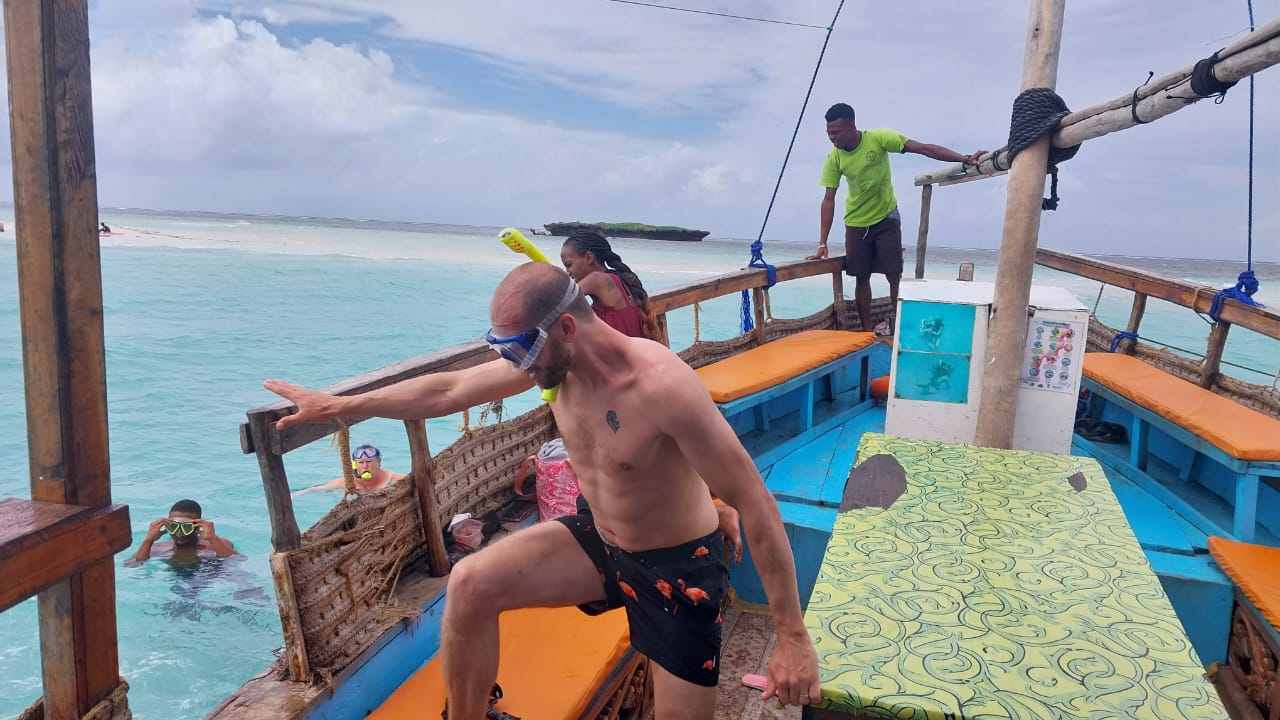
Pick up from your resort at 730hrs Later proceed to the historical small fishing village of Shimoni on a drive via coastal settlements with views of palm trees, cashew nuts, mango tree plantations At the Shimoni village jetty we board the motorized dhows for a cruise in the marine park and the surrounding Kisite, Mpunguti Islands. Snorkel and marvel at the rich marine life where corals, exotic fish and sea plants are protected. As we sail in the calm waters, we will be on the lookout for the resident dolphins that approach our dhow and beckon us to join them for a swimming duel. At Wasini Island, disembark and take a discovery stroll through the Island and its pure Swahili culture also visiting the giant coral garden and adjacent mangrove swamp forest. Our guide shall give us an in depth oration throughout the tour. Later, settle down for an adventurous barbeque seafood lunch with local Swahili accompaniments. After a short reflective siesta, board your dhows for the sail to the mainland jetty at Shimoni.
Day 4
Mombasa city tour
HALF DAY MOMBASA CITY TOUR AND SHOPPING EXCURSION
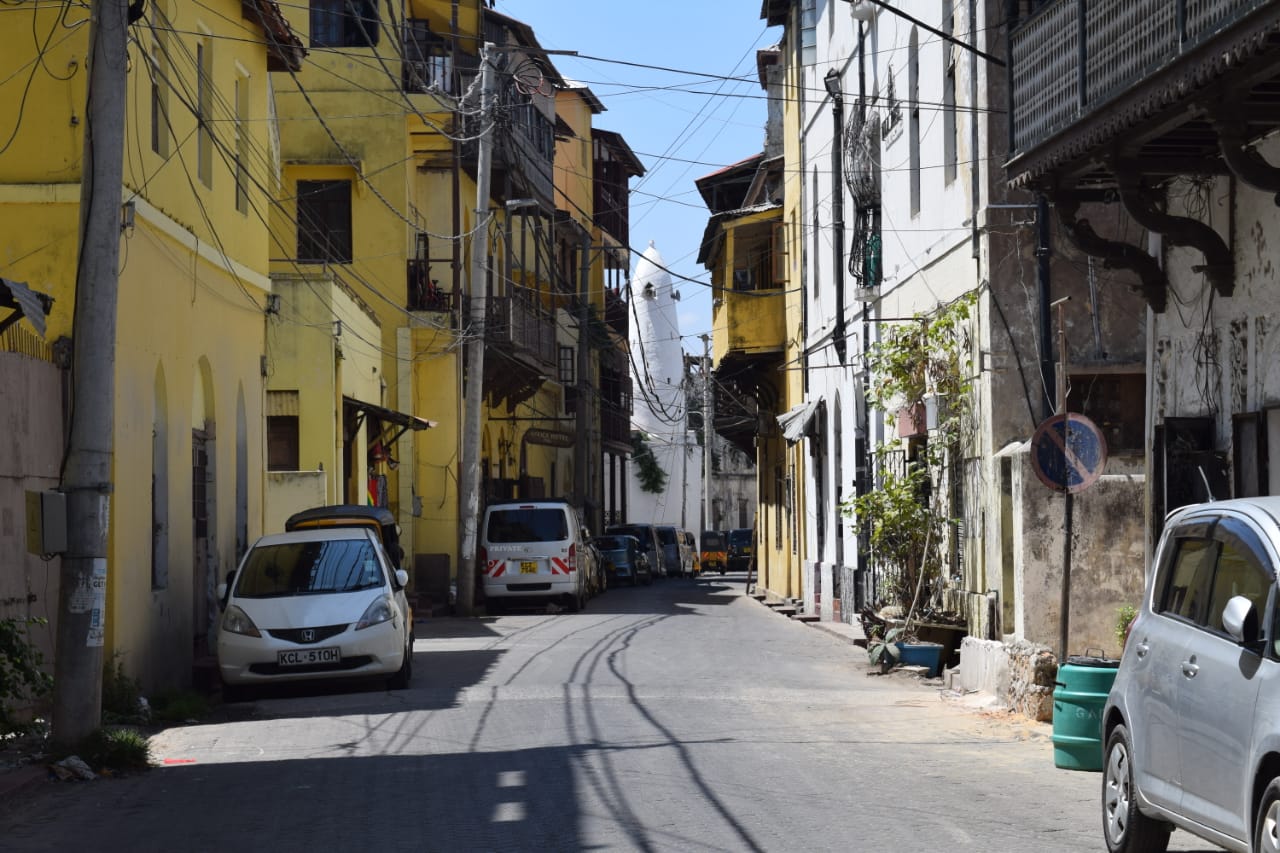
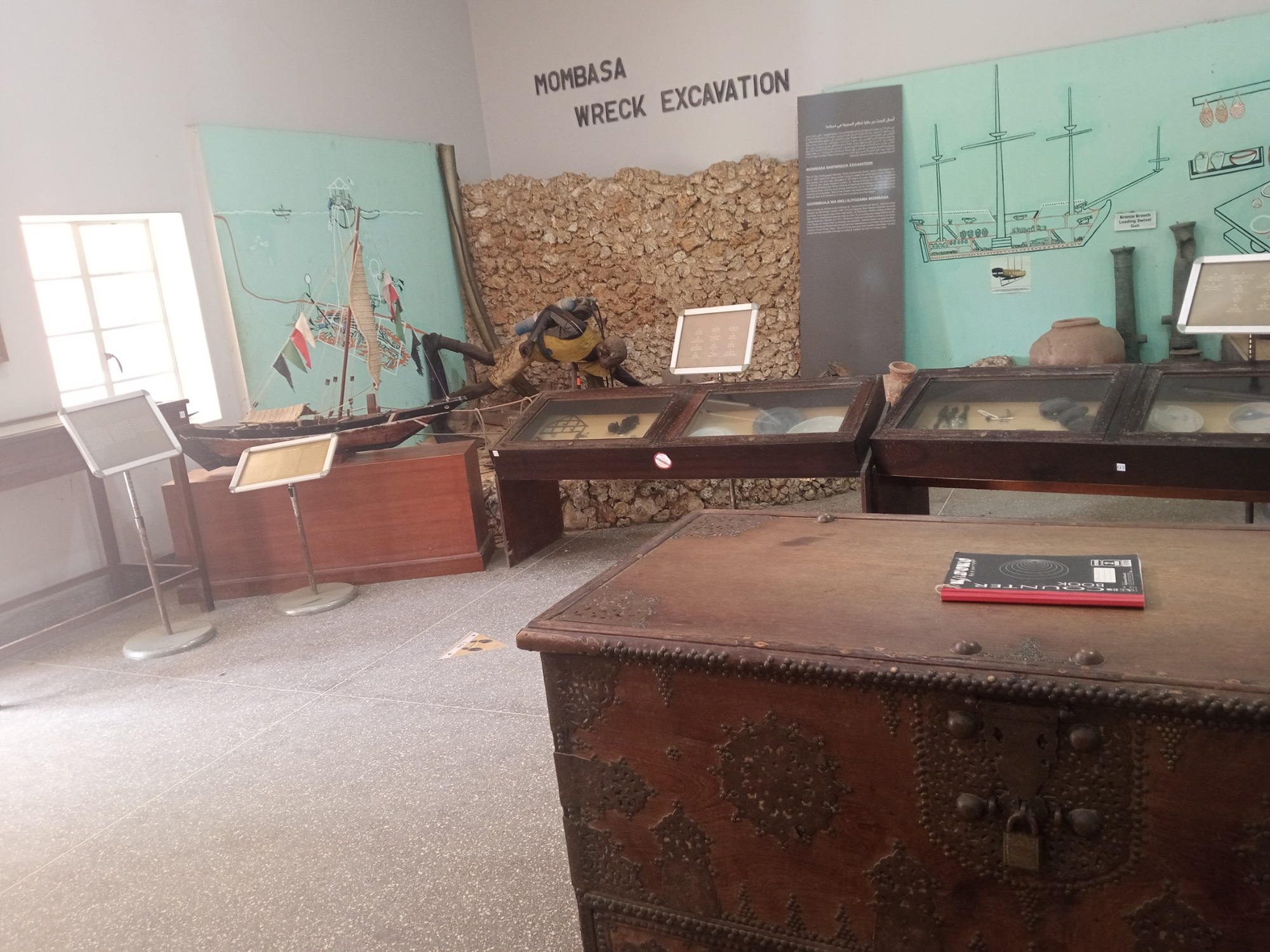
Highlights: Old town Mombasa with Swahili and Arab culture Fort Jesus Museum… a history of the East
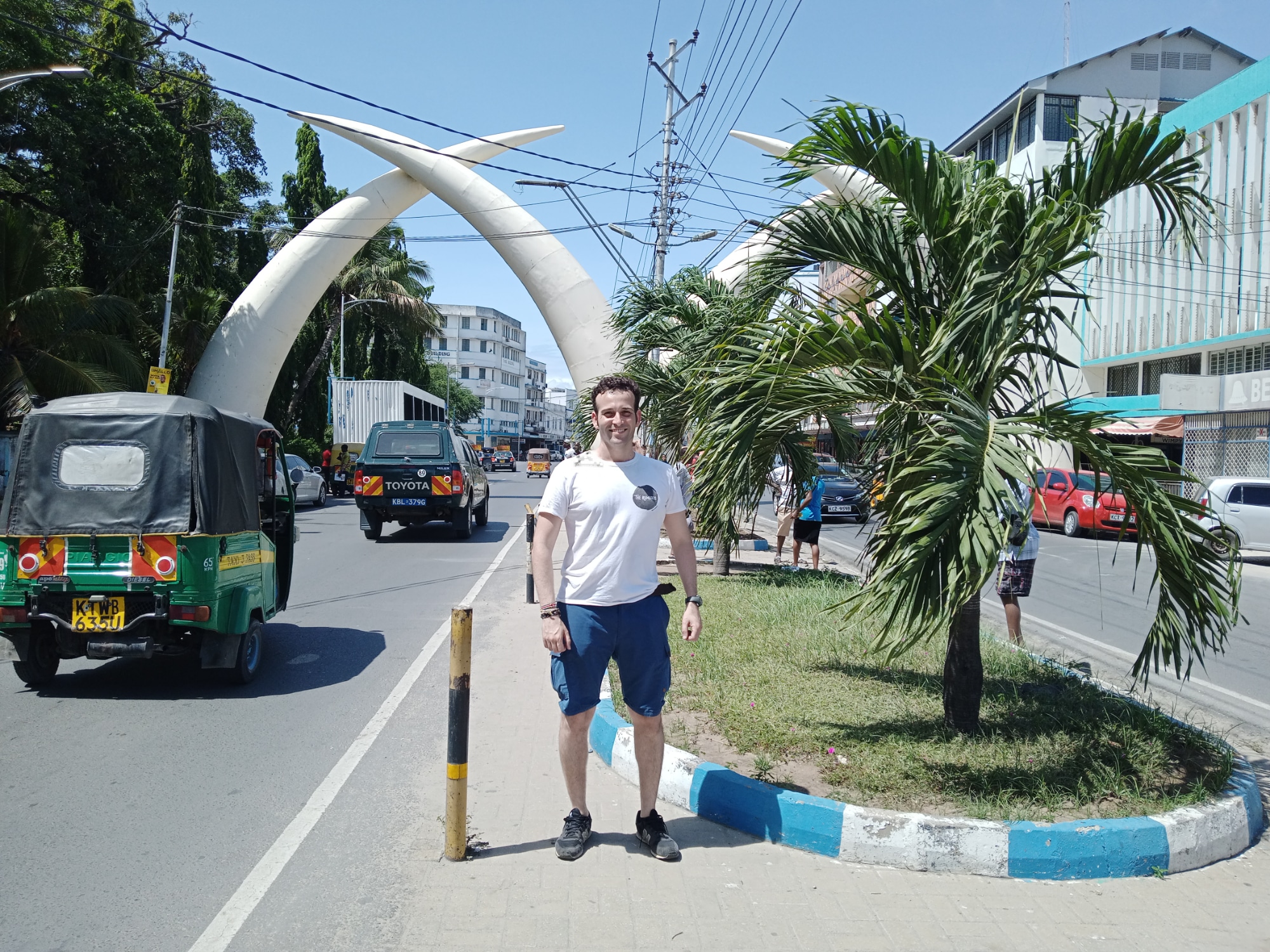
Africa Coast City food and spice market – a glimpse into the lives of the local people Elephant tusks – the
gateway to Mombasa Likoni Channel – Port entry into Kenya This half-day tour will immerse you in the international history and flavors of this culturally rich city. With its Arabic, Portuguese and Swahili cultures, Mombasa offers busy markets, ethnic neighborhoods and a distinctive heritage to explore as well as ancient structure of Fort Jesus with its incredible history. Learn the history of the East African coast with the Arab and Portuguese quest for control of trade routes. In the after visit haller park for wildlife feeding.
Day 5
At leisure
Day 6
Transfer to airport
- All transfers as per the itinerary
- Accommodation on all inclusive Neptune paradise diani
- English speaking driver guide
- All entry fees for the activities as mentioned above
- Government taxes and levies
- Driver/guide tip,
- Flight tickets
- Visa
- Luggage/travel insurance,
- Drinks,
- Medical and all other personal expenses not mentioned.
The official languages of Kenya are Swahili and English
The currency used throughout the country is the Kenyan shilling. Mastercard and Visa are accepted in most major tourist destinations. ATMs are common in the cities for dispensing local currency but are not available in the wildlife parks.
Tourists to Kenya require valid passports, valid for at least 6 months beyond the date you expect to leave Kenya. A tourist visa is required for Nigeria passport holders and this must be obtained prior to your arrival in Kenya. Visitors are advised to register well in advance as there may be a 10 day processing period.
The best time to visit Kenya can vary by region. However, if travelling to view wildlife, the best months are between July to September. This is also the dry season in the country. However, wildlife viewing can be good year-round depending on which national parks you visit. The other dry season runs from late December to mid-March. Wildlife is easier to spot at these times because the bush is less dense and animals gather around waterholes and rivers.
Mombasa, a historic coastal town in Kenya known for its beautiful beaches and white-blue colonial architecture, is the oldest city in Kenya and a great place for a beach vacation with a perfect mix of activities you can choose to do from beach days to history to safaris.
Kenya is a wonderful destination for families who are on the adventurous side. It welcomes all travelers and has a special affection for family travel with children. Multi-generational family travelers are very welcome in Kenya.
The main avenues of transportation within the country include matatus, tuk-tuks, buses, and taxis for shorter distance trips. If looking to travel further distances across the country, there is a railway system as well as local flights. Most visitors opt for private or shared transfers, including in Nairobi, since the public transit system can be unpredictable.
KENYA enjoys a tropical climate. It is hot and humid at the coast, temperate inland and very dry in the north and northeast parts of the country.
The average annual temperature for the coastal town of Mombasa is 70F minimum and 86F maximum.
The capital city, Nairobi is 55F minimum and 78F maximum.
There is plenty of sunshine all the year round and summer clothes are worn throughout the year. However, it is usually cool at night and early in the morning.
The long rains occur from April to June and short rains from October to December.
Coolest months? June through September.
Warmest months? December through March
We always follow Foreign Office advice and currently don’t advise travel in the far north but the main game reserves and southern beaches are hundreds of kilometers south of Kenya's northern border. As with travel in most countries, don’t leave your valuables unattended or on show. On safari always listen carefully to your guide and follow instructions. Whilst you are on holiday we’ll look after all the transfers to and from your hotel or lodge and our expert team on the ground are fabulous hosts who know the country well, so you’ll feel well looked after.
Nairobi (pronounced /naɪˈrəʊbɪ/) is the capital and largest city in Kenya, and popularly known as the 'Green City in the Sun'. Nairobi is also the capital of the Nairobi Province and of the Nairobi District.
Nairobi is located on the Nairobi River in the south of Kenya and is the most populous city in East Africa, with an estimated population of 4 million. Nairobi is also the fourth largest city in Africa